March 13, 2026
How Dr. Mortel Sparked a Decade of Service at Archbishop Spalding
There are moments in life that seem small on the surface — like a simple question asked between two people– but have a lifelong impact.
For Patrick Brady, a retired religion teacher at Archbishop Spalding High School, that moment came in the early 2000s when a hurricane devastated the Artibonite Valley in Haiti, tearing through the very region where the Good Samaritan School was still being built.
In the aftermath, Dr. Mortel turned to Patrick with a quiet but pointed question:
“Do you think Spalding can do anything?”
That question launched ten years of transformation, not just for the children of Haiti, but for hundreds of American students who would never be the same after stepping foot on Haitian soil.
It Started With Pictures and a Promise
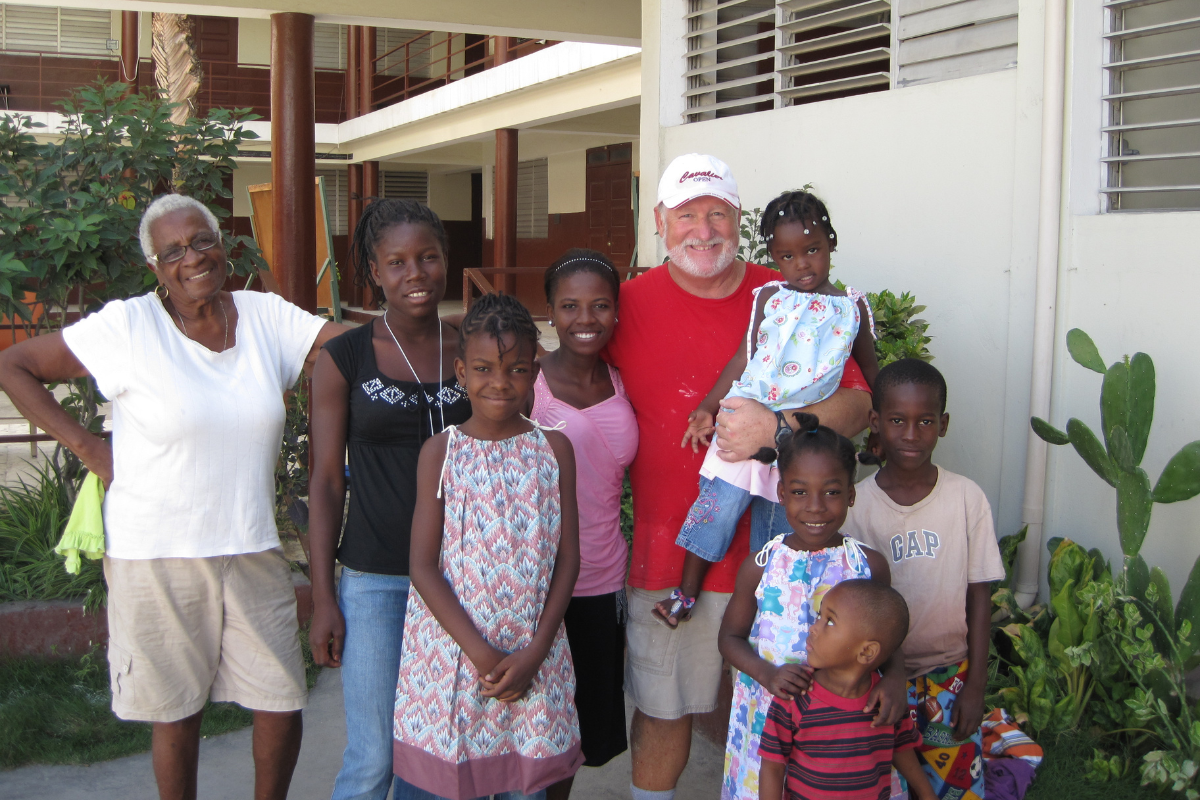
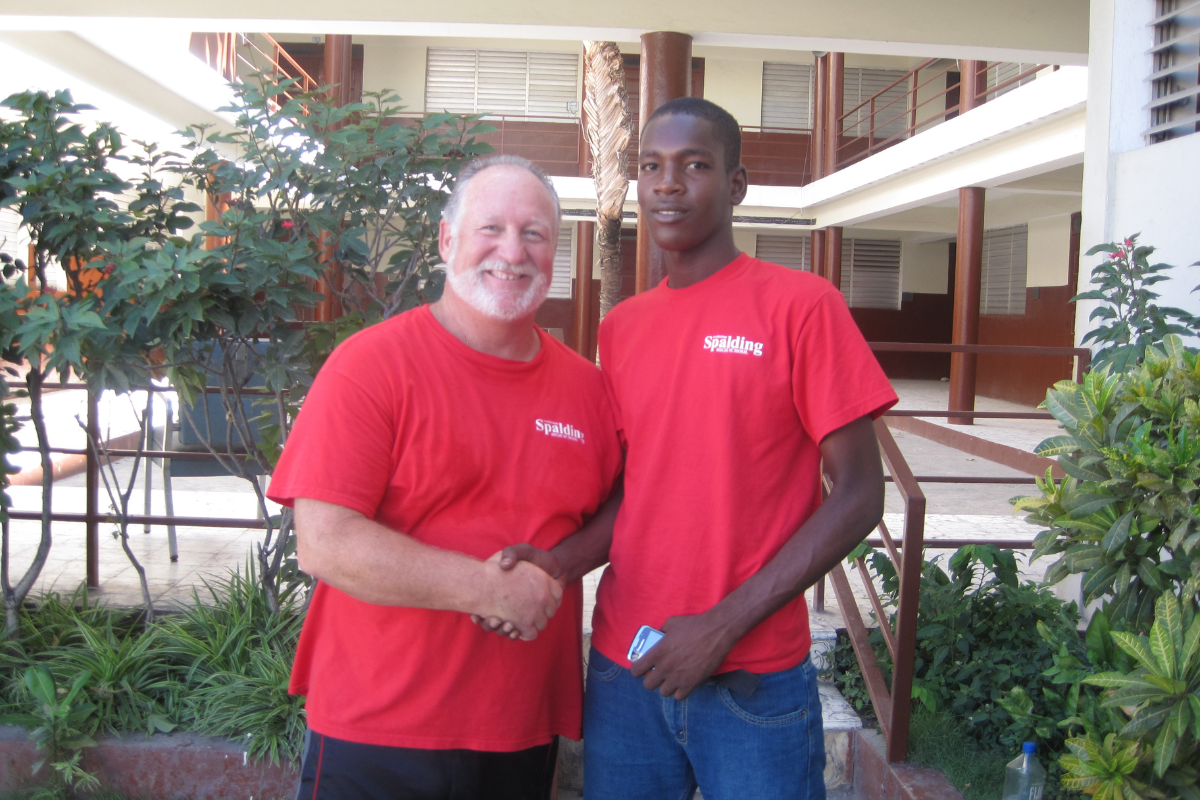
Patrick Brady had just joined the faculty at Archbishop Spalding when Dr. Mortel asked him that fateful question. He was a brand-new teacher, still finding his footing, but his heart already belonged to Haiti. Armed with nothing more than photos from his first mission trip and the raw memory of what he had witnessed, Patrick walked into an all-school assembly and spoke — not from a script, not from a podium performance, but from his heart.
“I’m not asking for your money,” he told the students. “I need you to go home, go in your drawers. You know what they can use? Underwear, shorts, socks, sneakers, T-shirts.”
By Wednesday, he had made the appeal. By Friday, a full tractor-trailer was loaded with clothes, school supplies, food and more than $10,000 in donations.
That, Patrick says, is exactly what made Dr. Mortel so powerful and why it worked for him too. “Why Mortel was good, and why I was effective, was I never looked at a note. I just spoke from the heart.”
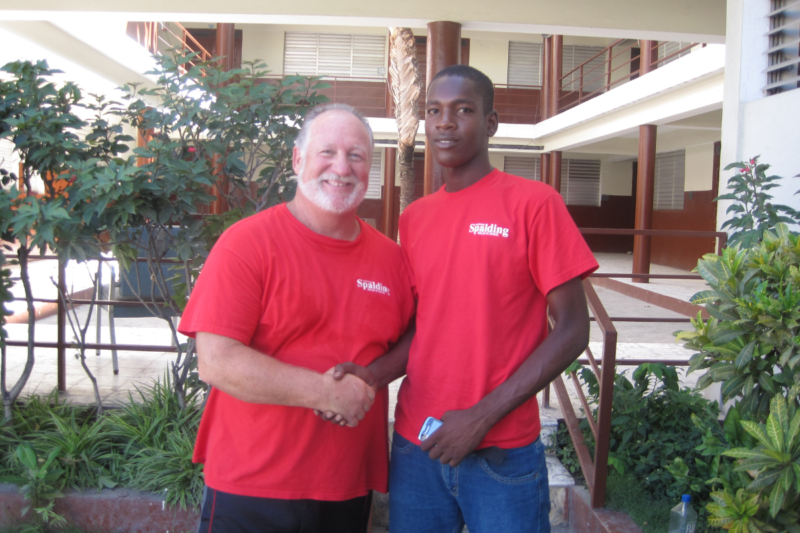
A Movement That Grew From the Ground Up
What happened next at Archbishop Spalding is what Mortel High Hopes for Haiti is all about: mission multiplying mission.
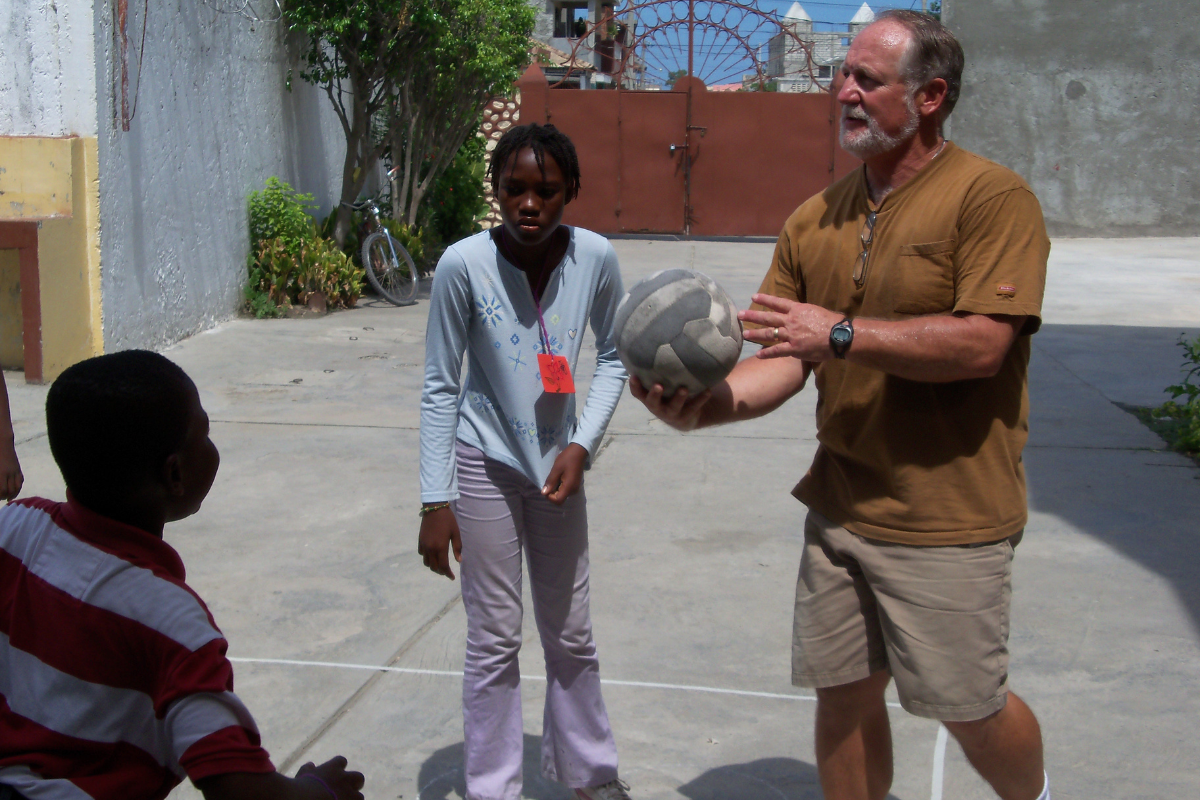
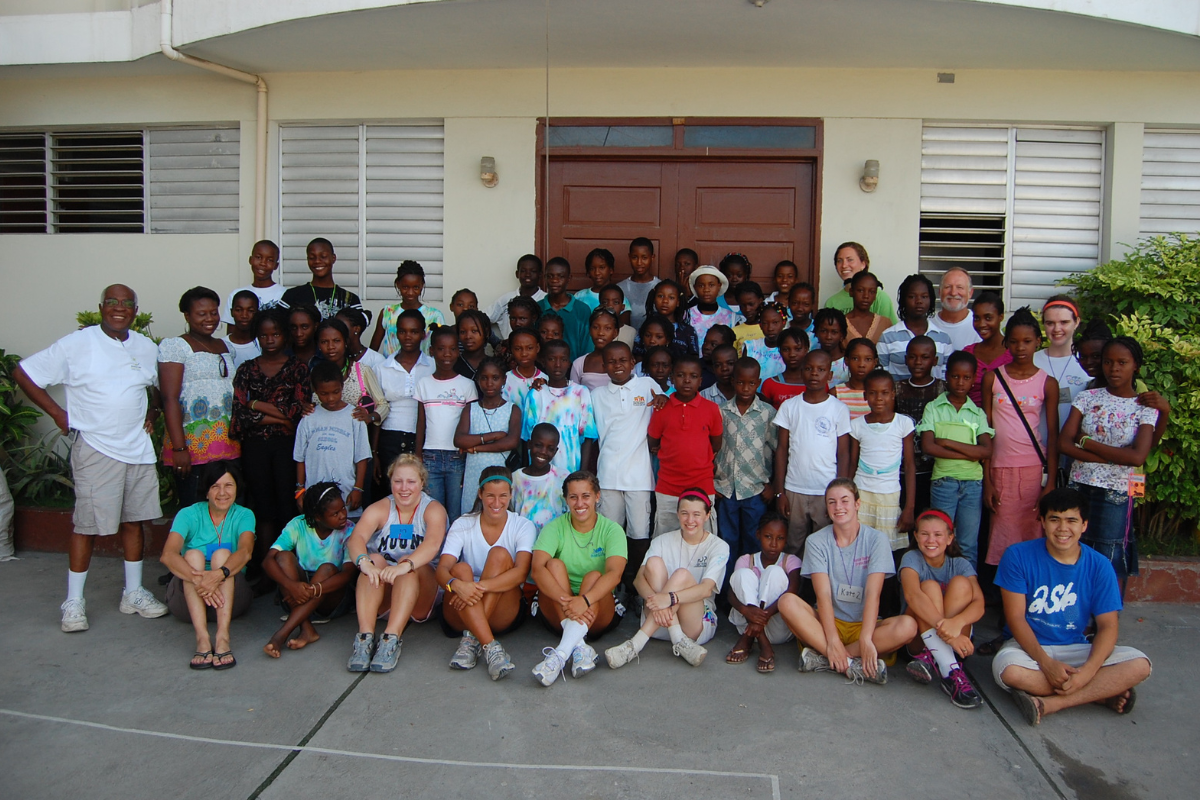
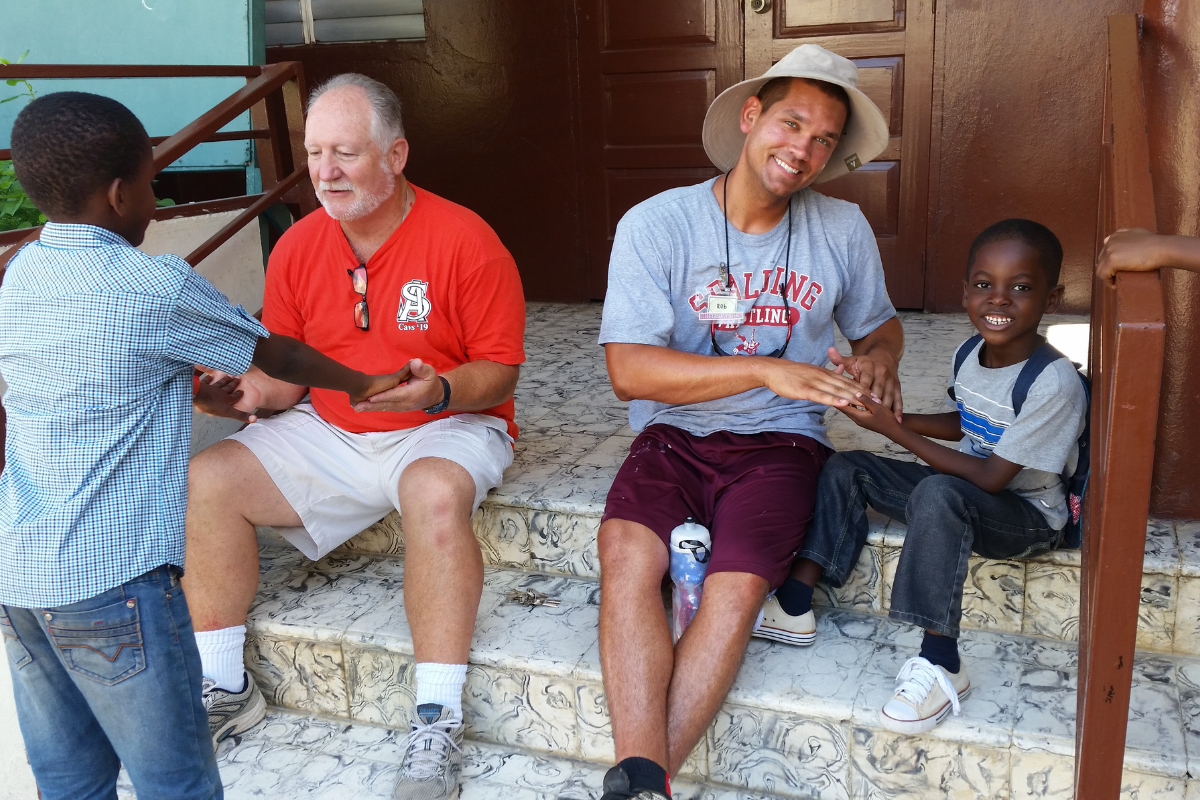
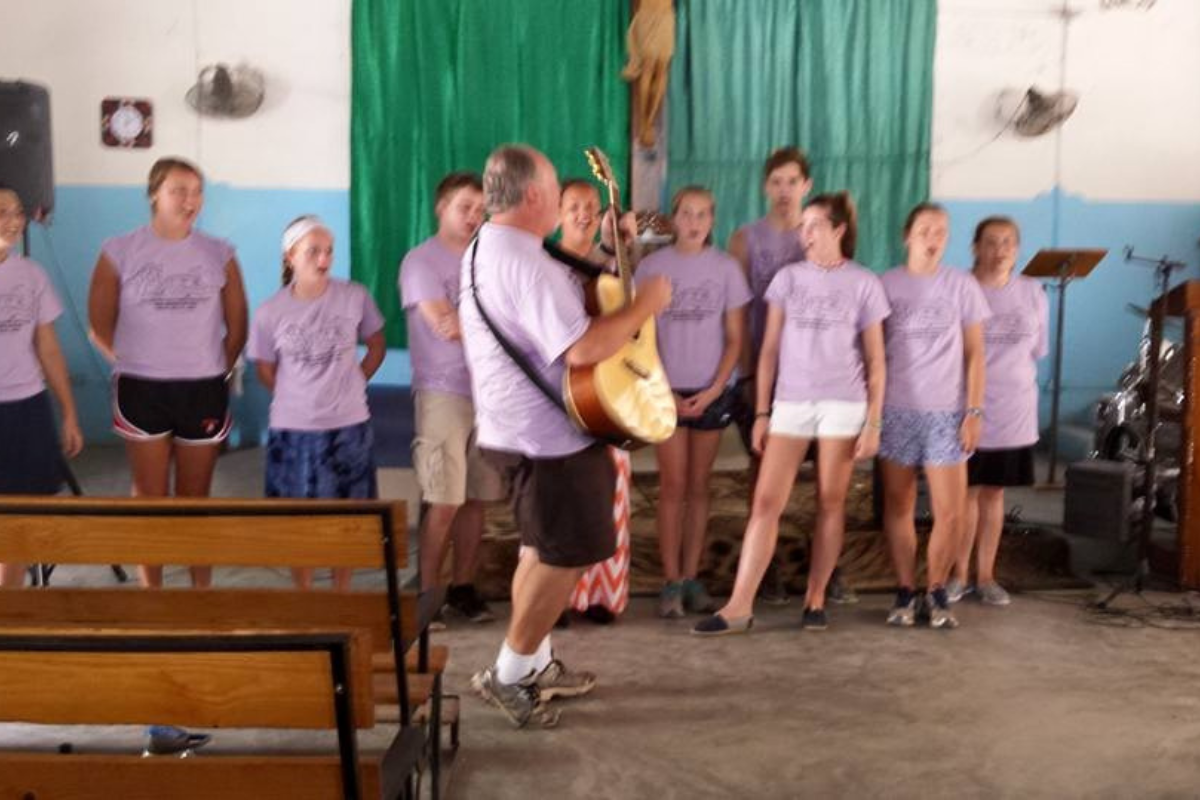
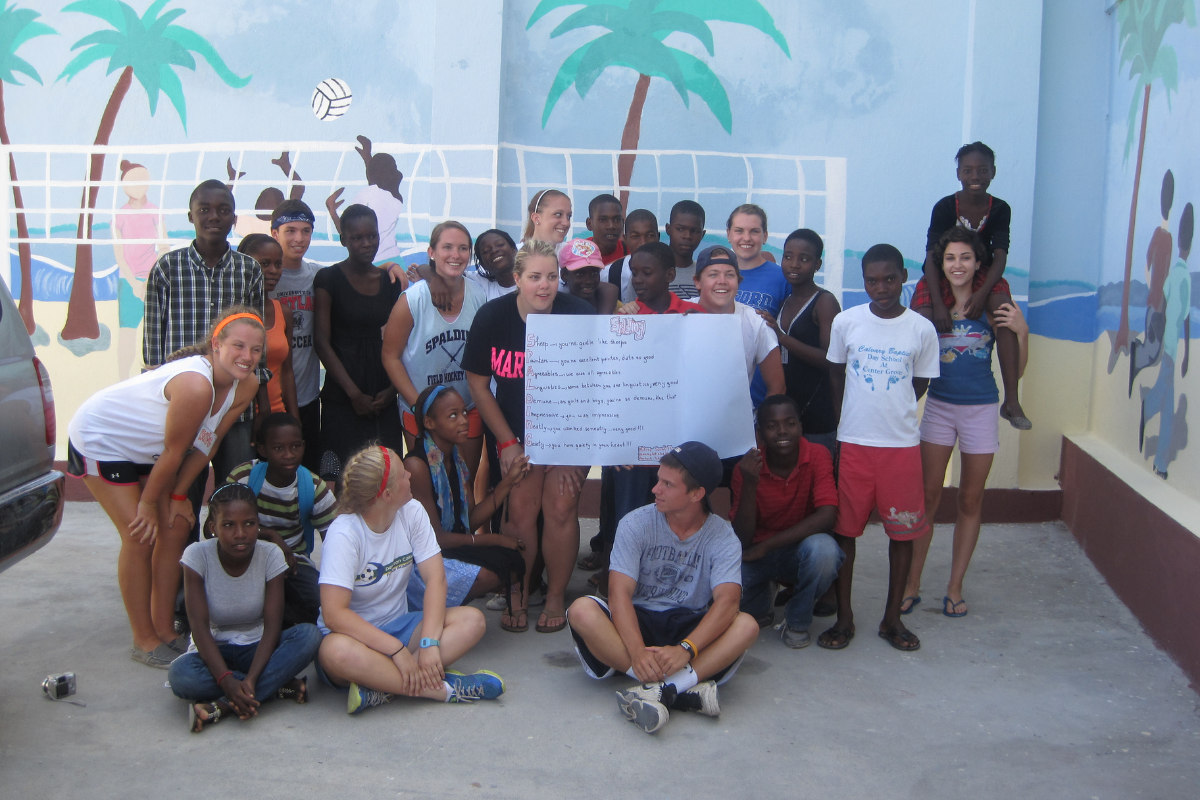
Each summer for nearly a decade, Patrick brought 10 to 12 Spalding students to Haiti. They dug into the work, built relationships with children at the Good Samaritan School, and came home forever changed. When the school year started again, those same students stood up in front of their peers and shared what they had seen. They became the speakers. They became the advocates. They became the reason the next group of students raised their hands to go.
The ripple effect was staggering. Students who traveled to Haiti went on to become doctors. Others devoted years to missionary work. And all of it traces back to a single question Dr. Mortel asked a young teacher.
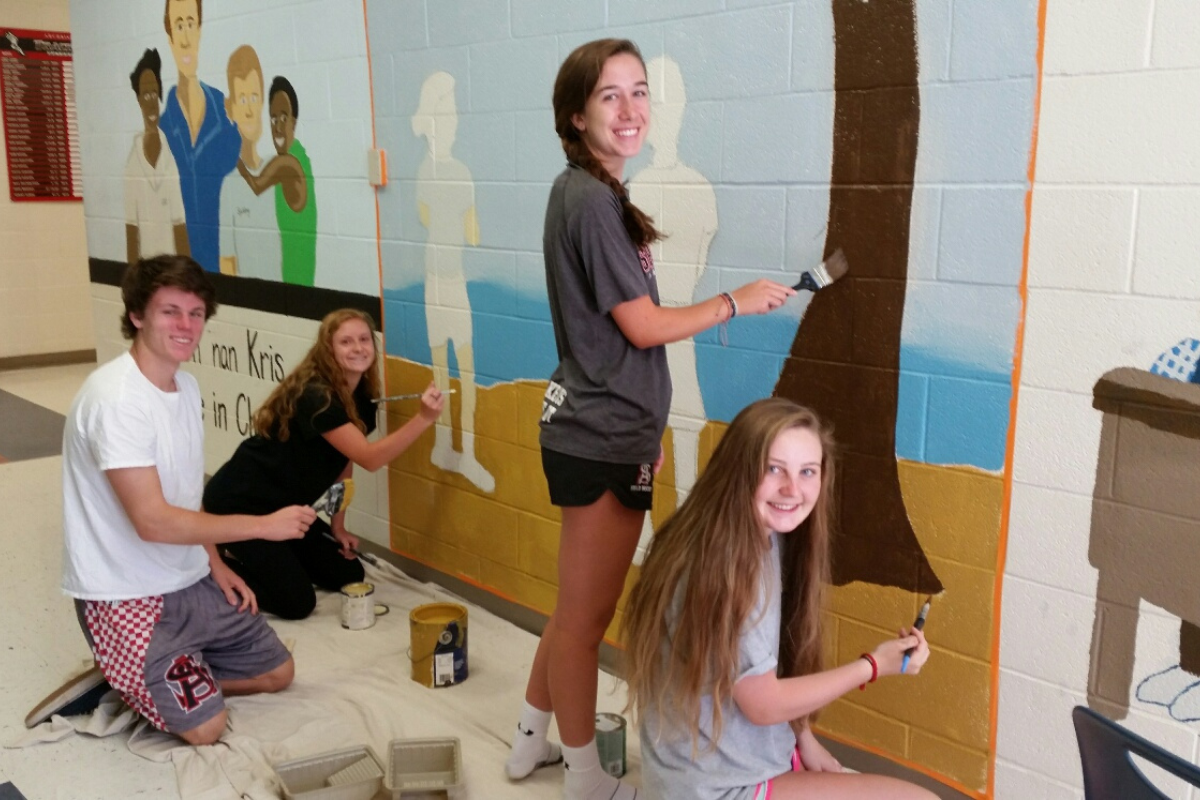
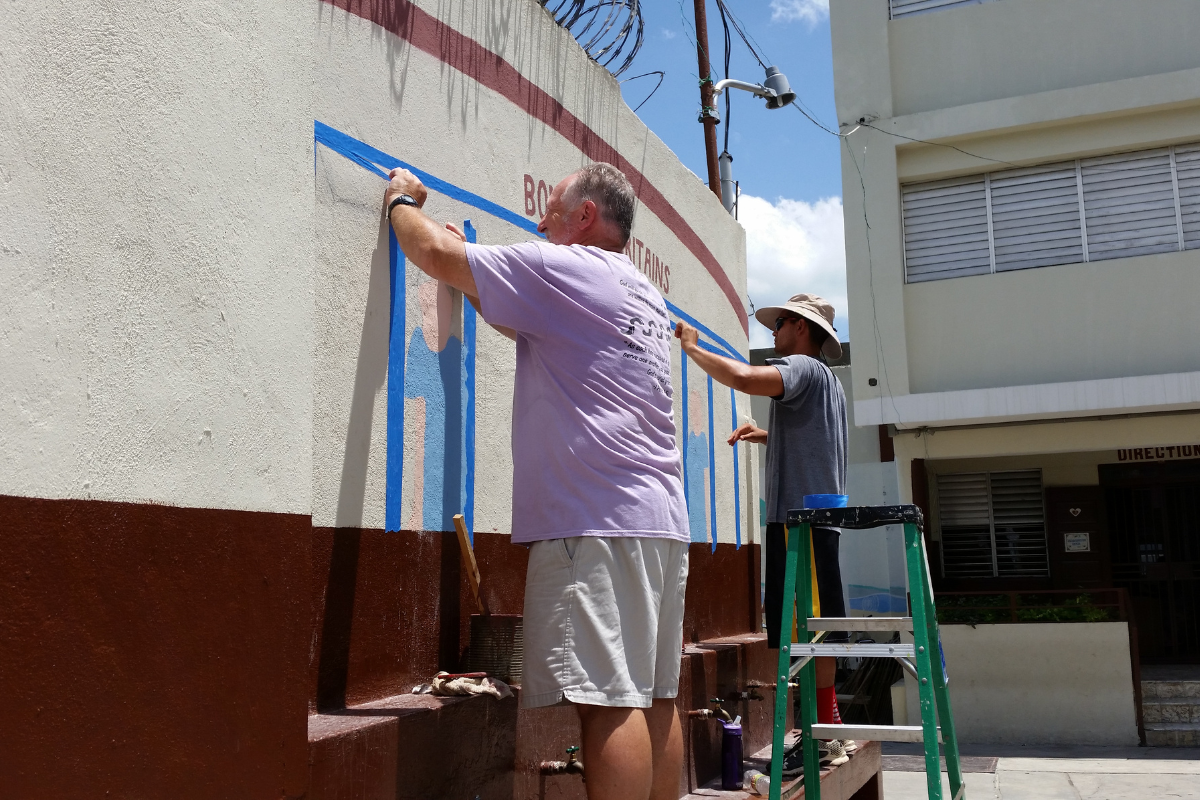
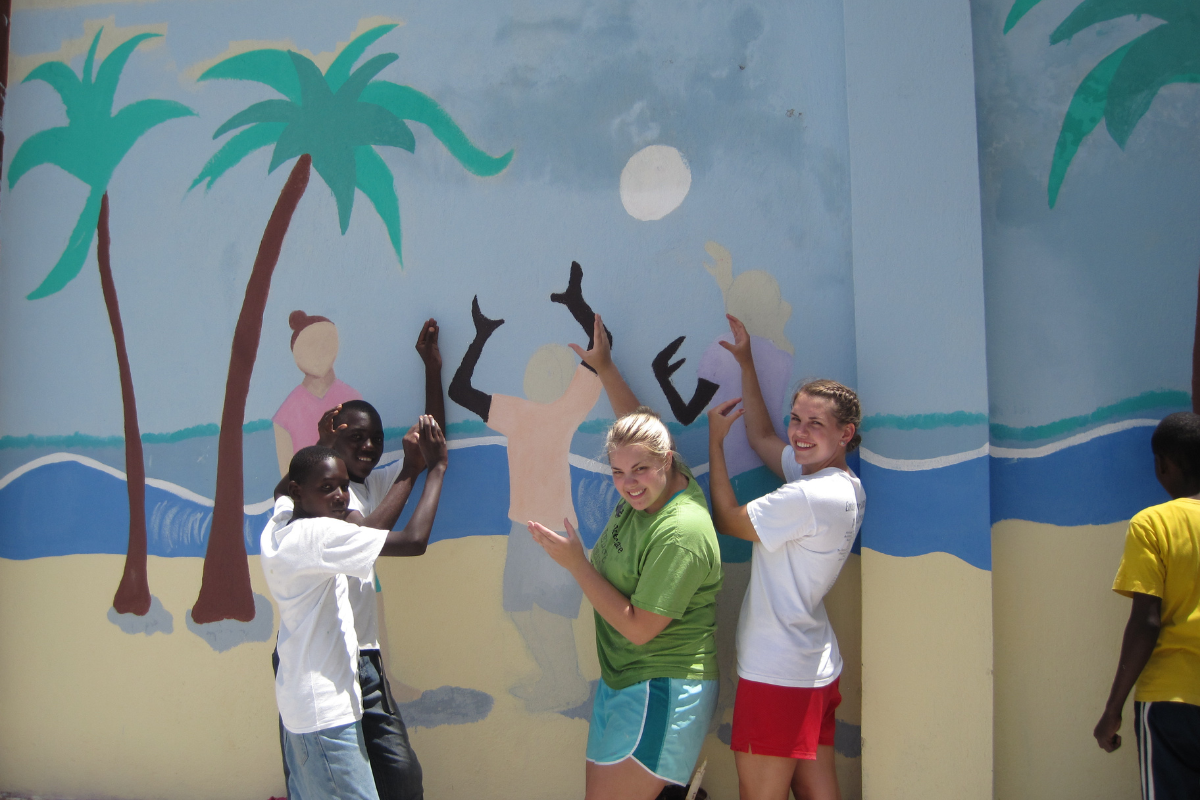
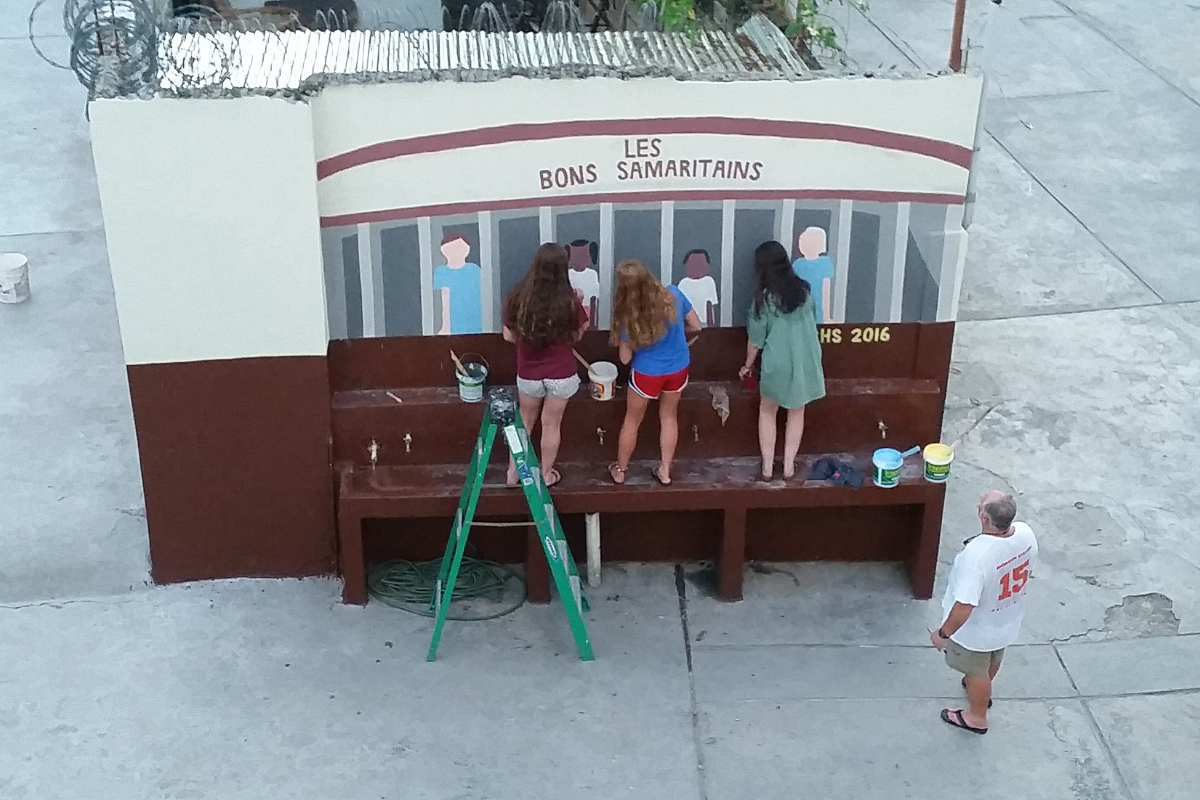
The connection between teacher and student, between Haiti and home, became so embedded in the school’s culture that murals painted by Spalding students appeared on the walls at Good Samaritan School — identical to the ones in Spalding’s courtyard. Spalding English classes wrote children’s books, while French classes translated them, and Art students illustrated them. A Spalding alumnus with a publishing company had them bound and shipped to be used in Haitian classrooms to teach English.
None of that was top-down. Every single idea came from the students themselves.
For Patrick Brady and for every student who followed his lead, that question became a culture of service and more than a decade of commitment.
With his words, Dr. Mortel sparked a legacy that continues to echo from the halls of Archbishop Spalding to a small valley in Haiti. What began as a single act of service has become a thread woven through countless lives.