February 27, 2026
From Visitor to Advocate: How One Trip to Haiti Changed Everything
Some trips change your itinerary. Others change your life. For Brooke, a visit to Haiti through the Archdiocese of Baltimore and the Mortel High Hopes for Haiti did the latter — and the ripple effects are still unfolding nearly a decade later.
11 Days That Changed Everything
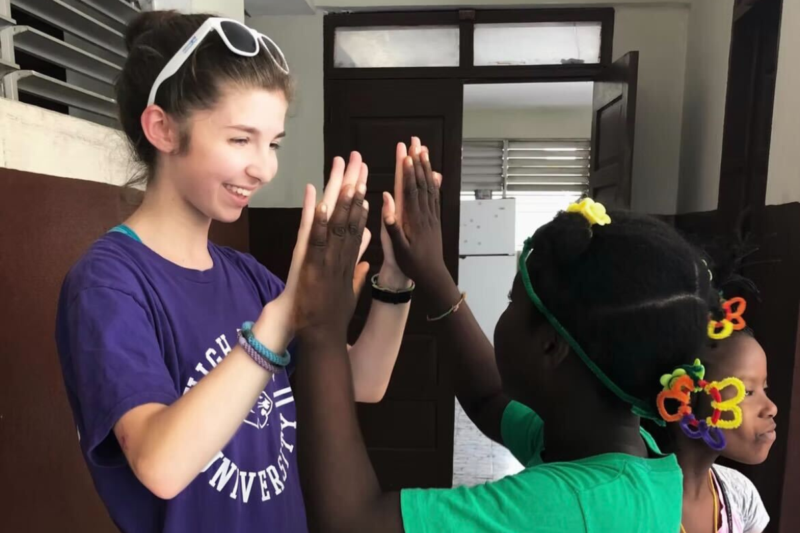
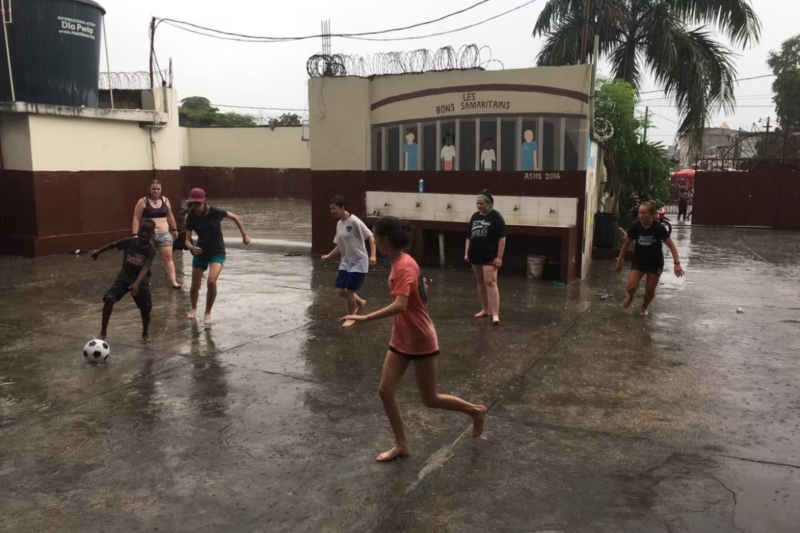
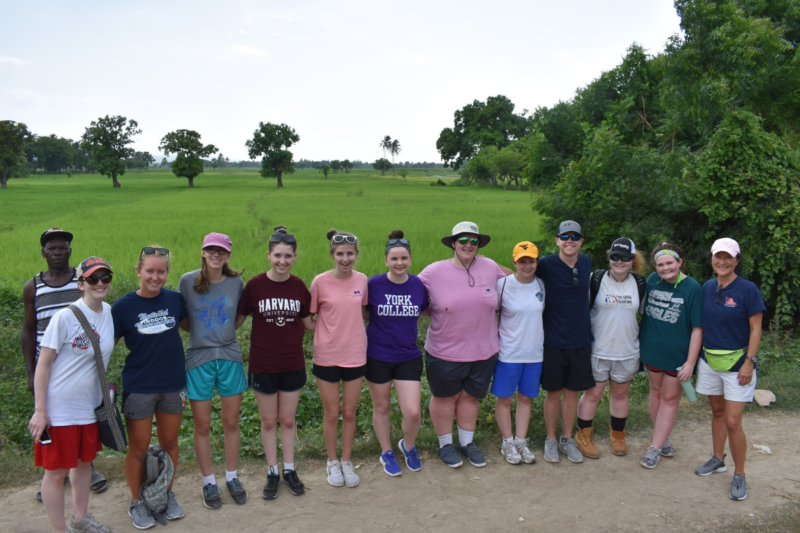
On July 1, 2018, Brooke was one of eight teenage volunteers who set out as part of what would unknowingly be the last Archdiocese of Baltimore and Mortel High Hopes for Haiti volunteer group to travel to the country to date (or someway to state that maybe one day these trips will return). The plan was simple: spend a week running a summer camp for students at Les Bons Samaritains school in Saint-Marc.
But on July 7, their planned departure date, Haitian President Jovenel Moïse abruptly raised fuel prices, igniting violent riots across the country. Within hours, roadblocks made from burning tires, barrels, cut-down trees, and cement blocks brought travel to a standstill. The U.S. Embassy issued a shelter-in-place warning, and hundreds of volunteer groups across Haiti found themselves stranded. What began as a typical service trip became a life-altering 11 days that would forever shape who Brooke was becoming.
A New Kind of Gratitude
When Brooke came home, the ordinary felt extraordinary. Comforts she had never thought twice about suddenly carried weight. “Everything from when I turn on the shower and there’s hot water available, or when I would open the pantry and there was food available.” Brooke recognized a new sense of awareness and gratitude.
That shift wasn’t easy to sit with, especially as she transitioned into college life. But rather than letting guilt swallow her, Brooke found a way to channel it.
“What I learned was that you have to take the notion of injustice out of it and instead let it drag you into action.”
That simple reframe became a guiding principle.
Redefining Success
Before Haiti, success looked a lot like personal achievement: grades, accolades, career milestones. After Haiti, the definition changed entirely.
“That trip to Haiti was really a shift in priorities. It was no longer about what I could achieve. Success became more about who could I impact or how I could make an impact.”
That mindset shaped her academic path in concrete ways. She double majored in psychology and computer science, but it was her minor in leadership studies — with its deep focus on cross-cultural leadership — that she credits most directly to her time in Haiti. “Haiti was kind of my first experience with that,” she explained.
“It really shaped my view on education…education really does become the foundation of opportunity — and certainly for these kids, not just a luxury. It really is the way that changes lives and cycles of some of the most profound poverty that exists.”
Turning Experience Into Action
Brooke refused to let her 11 days become a memory that faded. In 2020, as COVID-19 brought the world to a standstill and amplified the desperate need for sanitation materials in the Saint-Marc community, Brooke and her friend Olivia launched the 11 Days in Haiti campaign. What started as a COVID-relief fundraiser evolved into an annual effort raising funds for the Mortel HHH Foundation, sharing stories, and keeping Haiti’s resilience and humanity in the spotlight when the world wasn’t watching.
“11 Days is our drop in the ocean of change,” the campaign’s mission states. “It is how we have committed to altering the devastation we witnessed and to highlighting the hope and resilience of the people we met.”
For Brooke, it’s never been about abstract charity. It’s about tangible impact knowing that a real child has access to education because of a consistent, ongoing commitment.
Haiti Shapes Her Moving Forward
And wherever she goes — professionally or personally — she advocates for a more complete picture of Haiti. “The people there are really incredible…the most vibrant, faith-filled people that I met,” she emphasized. “Their circumstances are really challenging. But that doesn’t mean the people there aren’t deserving of a better life and opportunities.”