May 8, 2026
Music as a Bridge to Cross Oceans
A Reflection, Revisited
When we reconnected with Micah recently, she shared how her perspective has only deepened in the years since writing this piece:
I do remember writing this blog post, and I recall feeling a sense of pride in knowing that I had the privilege to be involved in such a wonderful cause. I remember diving into these folk songs and feeling so moved that their art so accurately reflected the compassion and resilience of Hatians.
Everything I said in this blog post does still feel relevant and true today. In fact, it feels even more so that way. As I grow in my music education career, I am finding what a binding force music is.
I currently teach at a Title 1 school, and my students face many unimaginable hardships. Upon coming to this school, I remember being afraid that I would never truly understand and connect with these students, but our shared musical experiences have led to some incredible and transformative moments. Not only does music connect us to others from different walks of life, it also acts as a source of healing and comfort.
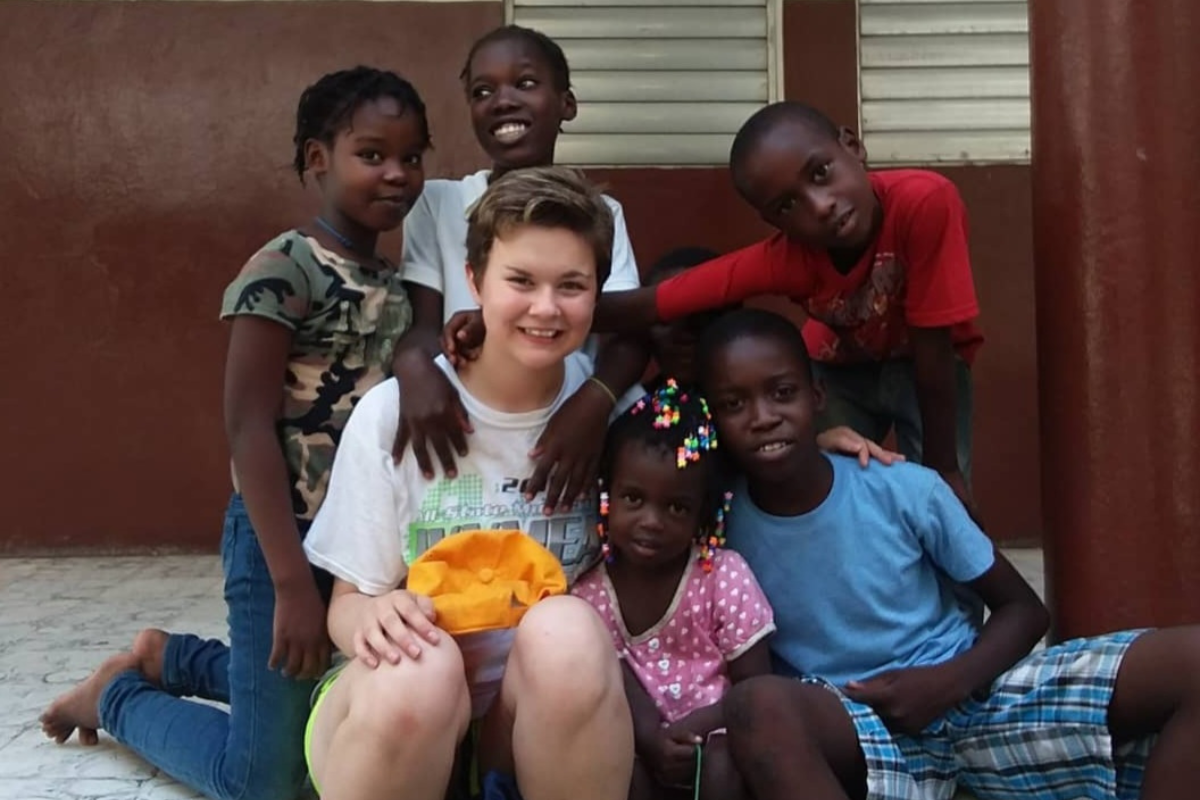
As Haitian mothers and fathers pass on these lullabies and folk songs to their little ones, they instill in them from a young age that they are capable and strong, and that through community, they will persevere. Music helps lay the groundwork for the unforgettable and admirable Haitian spirit. Despite the distance and differences in cultures, children are the same all over the world. They want to play, to learn, to love – to just be a kid.
As I look into the eyes of my students, I am often reminded of the children I interacted with in Haiti. That serves as a reminder that I must act with compassion and empathy in all that I do.
Really, the experience has changed my perspective on education as a whole. It is really easy to fall into a trap based on biases and the talk of other people, but it is so incredibly important to look beyond all the noise and see the child for who they are. All children deserve the opportunity to just be a child – here or in Haiti. I remember that as I approach my instruction, lesson planning, interactions, etc.
Music as a Bridge to Cross Oceans
By Micah Persinger
Music is a way of life; bringing people together and healing what is most broken. Music provides solace to the mourning and excitement to the celebrant. Even more importantly, music allows one to take a peek into and learn to appreciate other cultures around the world.
As an elementary school music teacher, I value the music of other cultures, as it gives my students a new perspective they may otherwise never experience. Because of this, I am always on the lookout for new folk songs, and I especially enjoy folk songs that incorporate various dances, games, and other traditional movements. With the 11 Days in Haiti Campaign quickly approaching, I felt taking a dive into traditional Haitian folk songs would be a wonderful opportunity for not only myself, but for our readers and my students, as well.
Much like our children’s folk tunes, the lyrics of these songs are playful and creative. For example, one song, Panama’m Tonbe, talks of someone losing their hat after traveling. This fun gem of a song enjoys a moderate tempo and makes its listeners want to move. To put it simply, this song is full of spirit and easily brings a smile to anyone’s face, and Haitians embody these traits best. As an educator, I recognize my students will be able to “travel” to Haiti and encounter its culture through this song. My students may feel a connection to our friends in other parts of the world and even begin to feel more compassionate toward them.
In my pursuit to find Haitian folk songs, one song in particular stood out to me the most. This song is simply labeled as a Haitian lullaby. According to Folkways Records and Service Corporation’s 1954 book Haitian Folk Songs, this song has been sung by the Haitian people for over 100 years, and like most lullabies, its exact origins are unknown. With that said, it is also unknown how this song and its lyrics may have been changed as it was passed down over many years.
It is important to note that this song’s melody isn’t what necessarily made its impression on me; it was its lyrics. Take a look below at the English translation of these lyrics:
Sleep, sleep little one
Sleep in your mother’s arms
General Lacaros in Anse-à-Veau
Didn’t leave anything for my baby (repeat)
I had to cut a piece from my slip
To make a dress for my little one
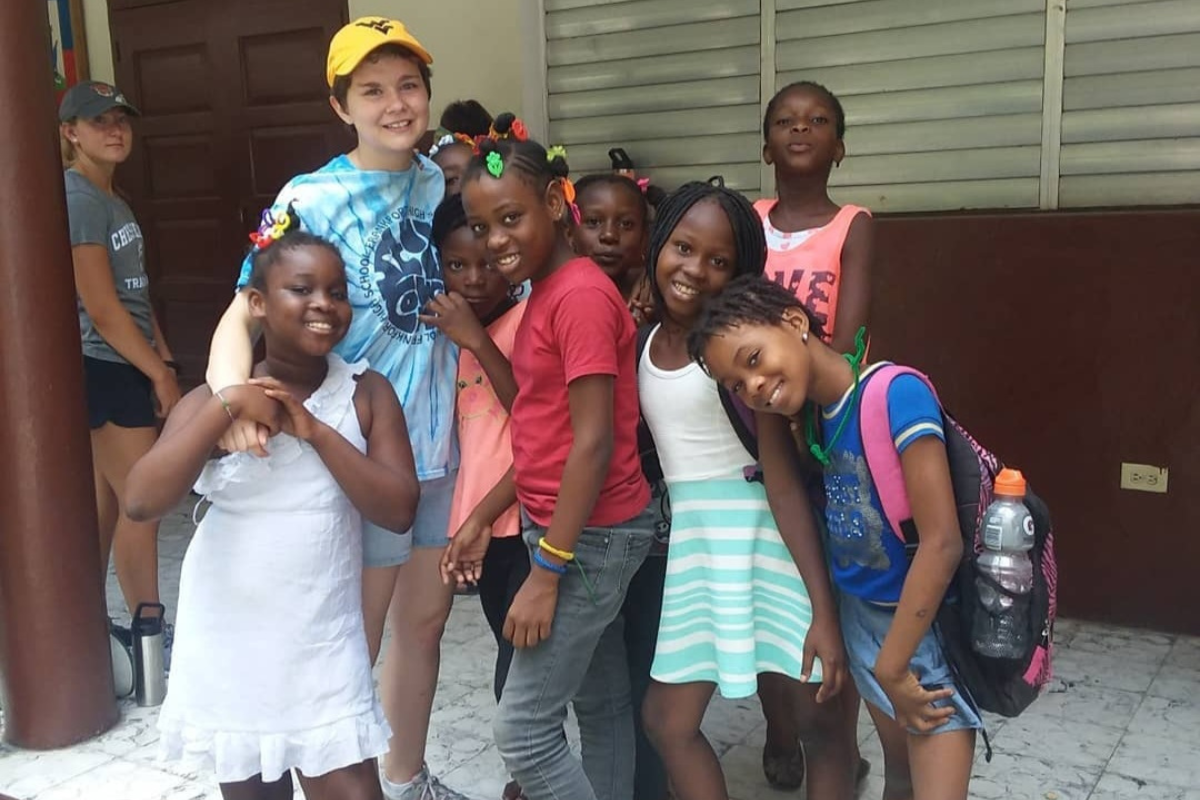
As I recall my experience in Haiti, I vividly remember the overwhelming selflessness among everyone I encountered. To provide some insight, I was sitting with a little girl, and I noticed she was playing with a coin. I reached out my hand to see the coin, as I was curious what their currency was like. After I did this, the little girl, who only had this one coin, insisted that I keep it. While I eventually was able to convince her to take her coin back, at this moment, I was stunned to see such unprecedented kindness and selflessness in my life.
Again, this altruism is why I felt compelled to write about this lullaby. In the last two lines, the mother sings how she used her own clothing off her back to make clothing for her little one. Although we see this multitude of kindness among many mothers all over the world, it is all the more meaningful after hearing the two previous lines. It is unknown who “General Lacaros” is, but I feel they represent the many people who have used and left Haiti with nothing. I also interpret it as those that turn a blind-eye to our most vulnerable.
Being faced with some of life’s most trying hardships, Haitians consistently overcome intense circumstances that many could not even begin to imagine. Such is expressed in this lullaby. However, this mother clearly does not want to burden her little one with these hardships, as she only wishes for them to rest.
As I have said before, music allows us to take a glimpse into a world we may otherwise never imagine, and such is the case with the folk songs discussed here. While we may know Haitians experience unbelievable hardships, we may never truly understand it. But through these songs, we can easily see the strength of these people, and we can live in their shoes for just a moment. Music has this incredible power, and it is remarkable how close music can make you feel to people thousands of miles away.
This is something I try to teach my students, and I would love for you to experience this as well. Below are some links to the two songs mentioned in this post. Feel free to take a listen!
The content featured on this page was originally developed as part of the “11 Days in Haiti” fundraising campaign, an independent initiative created in 2020 by a group of young adults who volunteered at our schools in 2018 through the Archdiocese of Baltimore’s mission trip.
This content is adapted and shared with permission.